
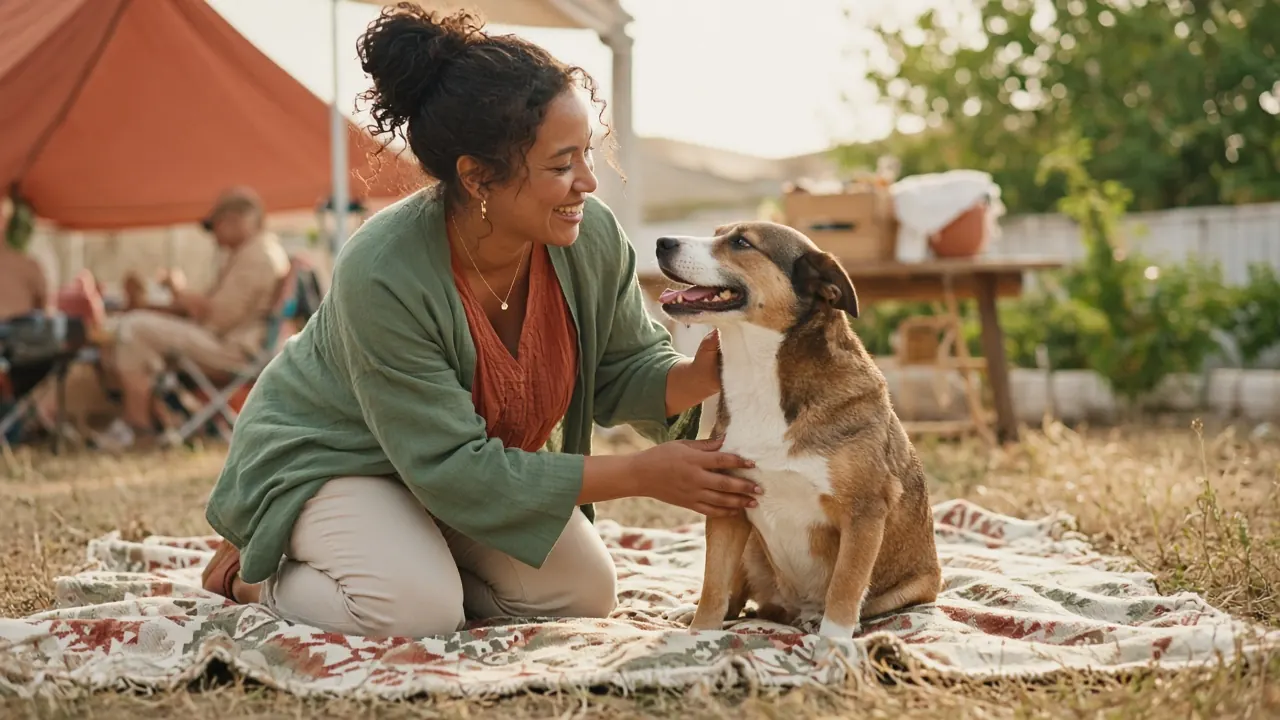
Should I adopt or foster first?
If you are ready for a dog, start with a reputable rescue or shelter. If you are almost ready, start with fostering, which teaches care rhythms and frees a kennel space. All The Good Dogs starts with homes, not shopping carts: shopping for gear comes after the match, never before the commitment.
What should I think through before I browse listings?
Before you browse, get honest about your weekday schedule, your pet rules, who covers for you, your budget, your household, and how patient you can be.
- Honest weekday alone hours (see our left-alone guide).
- Landlord / HOA / insurance pet rules in writing.
- Who covers mornings, evenings, sick days, and travel?
- Budget for food, preventatives, routine vet care, and a starter emergency fund.
- Kids / other pets / visitors — energy and training history that will actually fit.
- Willingness to wait for the right dog instead of the cute dog of the week.
What should I ask every rescue or shelter?
Ask every rescue or shelter the same questions about the dog’s health and history, behavior and daily life, and the adoption process and support.
| Topic | Ask |
|---|---|
| Health & history | Vaccines, tests, spay/neuter included? Known medical issues or meds? Origin (surrender, stray, transport) — known vs. guessed? |
| Behavior & daily life | Alone time, crate, leash, other animals? Resource guarding, escape artistry, fear triggers? What does a good home look like for this dog? |
| Process & support | Fee, application, home visit or virtual meet? Return / support policy? Foster notes? Can you meet calmly more than once? |
A good organization will ask you hard questions too. That is care, not gatekeeping — be honest about hours alone and experience.
Is my home ready for a dog?
Your home is ready when these six things are in place:
- Secure fencing or a solid leash plan (apartments: elevators and hallways count as training spaces).
- Dog-proofed zone for the first weeks — trash, cords, toxic plants, open windows.
- Vet chosen and a wellness visit hold soon after adoption.
- ID tag + microchip plan; update registration the day they come home.
- Quiet first 72 hours: fewer guests, short walks, lots of sleep.
- Agreement among humans on rules (couch, crate, feeding, who walks when).
What should I budget for in the first year?
Plan for three buckets in year one: routine care, setup, and a cushion for emergencies. The adoption fee is not the true cost.
| Bucket | Plan for |
|---|---|
| Routine | Food, preventatives (heartworm / flea / tick), wellness exams |
| Setup | Bedding, leash/harness, ID, crate or playpen, training class or books |
| Cushion | Emergency fund (or pet insurance; see Health & Safety) — adoption fee is not the true cost |
Size and age swing the numbers — a large adolescent eats and chews differently than a senior mix. If the monthly total only works when nothing goes wrong, pause and build the cushion before you apply.

Should I foster if I am not sure yet?
Yes, fostering is a good way to find out. Fostering is not “failing to commit.” It is high-impact learning, helps a rescue, and sometimes finds the dog who stays. Search foster openings on Adopt-a-Pet or with a local shelter, then ask each org:
- Who pays for food and vetting while you foster
- Transport to adoption events
- How long a typical foster stay lasts
- Support if behavior needs coaching
What should I do at a meet-and-greet?
At a meet-and-greet, watch the dog’s body language more than the bio, and remember it is OK to say no.
- Bring soft treats (ask first) and a neutral leash if requested.
- Watch body language more than the bio — soft eyes, loose body, willingness to disengage.
- Resident dog? Parallel walk before a face-to-face in a tight room.
- It is OK to say no. Lasting home > same-day yes.
What happens after I say yes?
After you say yes, confirm the paperwork, set up a landing zone, and schedule the vet check.
- Confirm pickup time, paperwork, microchip numbers, and medical records.
- Stock a few days of the food they already eat — transition slowly later.
- Set up the landing zone before the car ride home.
- Schedule the vet check and a short week-one training plan.
- Tell the rescue how it is going — success stories and early warnings both matter.
Before you shop
Once you’ve said yes, a short shopping list can help stock week one. Gear can wait.
Related reading
- More community guides
- How long can a dog be left alone? — schedule honesty before you apply.
- Crate training without tears — a calm first week with a crate.
Bottom line
First-timers do best when they treat adoption like a hiring process: clear requirements, honest interviews, and a soft landing at home. Start on Adopt-a-Pet and the ASPCA adoption page, then talk to the org behind each listing. Let gear wait. Your future dog needs a ready human more than a perfect Instagram setup.