
Start with biology, not Instagram
Dogs are social, not fragile glass. What they cannot do is ignore a full bladder, skip mental rest, or love eight empty hours with zero practice. Alone-time tolerance is a skill — and its ceiling moves with age, health, and temperament. If you already feel bad about leaving: that care is the point. Use it to plan smarter, not to spiral.
Age-by-age ranges
Starting points, not laws. Individual dogs vary. When in doubt, shorter is kinder while you train. Rough daytime bladder math for puppies: about one hour of hold time per month of age — then adjust down for the individual.
| Age / stage | Typical alone window | Watch-out |
|---|---|---|
| 8–10 weeks | ~1 hour or less at first | Tiny bladder; overnight stretches lengthen slowly |
| 3–6 months | Build toward 2–4 hours | Midday walker or lunch trip is normal, not failure |
| 6–12 months | Often 4–6 hours if practiced | Boredom chewing; tire with walk + sniff before you leave |
| Adult (healthy ~1–7 yrs) | Many do fine with 4–8 hours | Regular 8–10+ hours strains bladder, joints, mind |
| Seniors | Shorter than their “old normal” | Arthritis, cognition, meds — adjust with compassion |
These are rules of thumb for healthy dogs with a safe setup. New adoptees and dogs with panic history need shorter practice blocks regardless of age.
What “left alone” should look like
- Safe space: crate (if they like it), playpen, or dog-proofed room — not the whole house on day one.
- Potty first: empty before you leave; plan for when you return.
- Boring goodbyes: low-key exit and return teach that departures are ordinary.
- Practice in steps: 5 → 15 → 30 → 60 minutes when they are calm — not only when you are late.
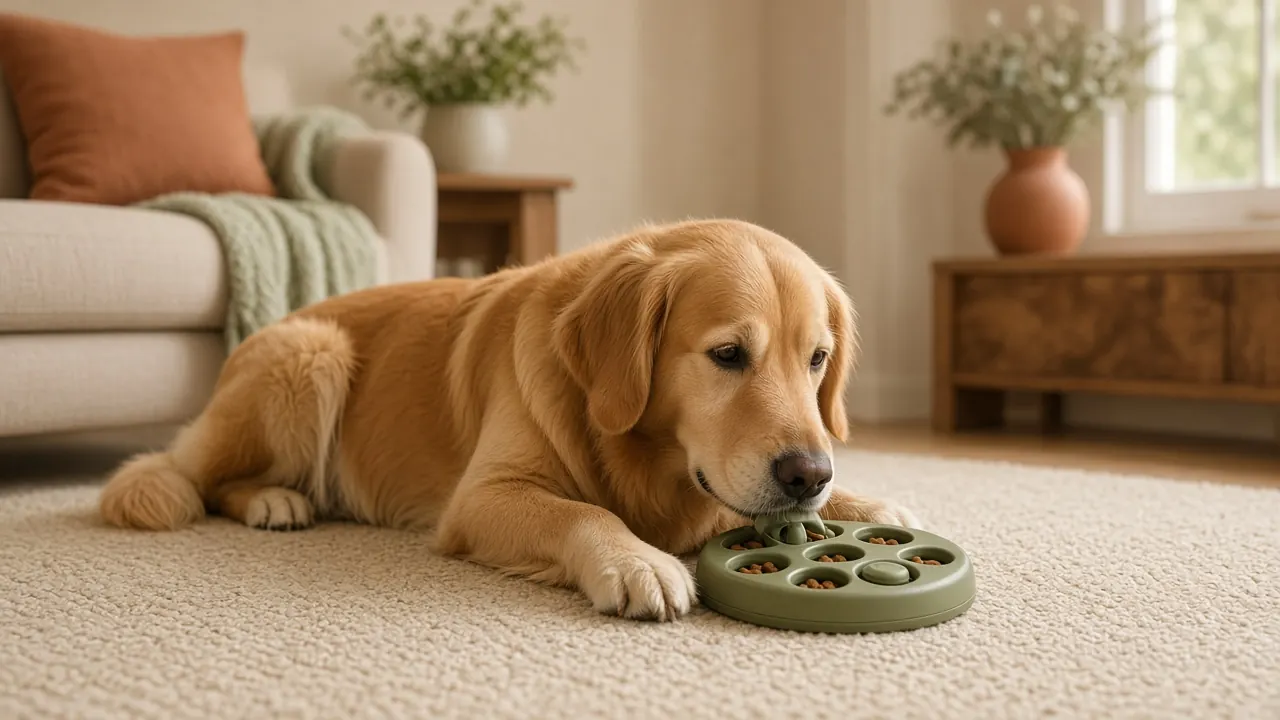
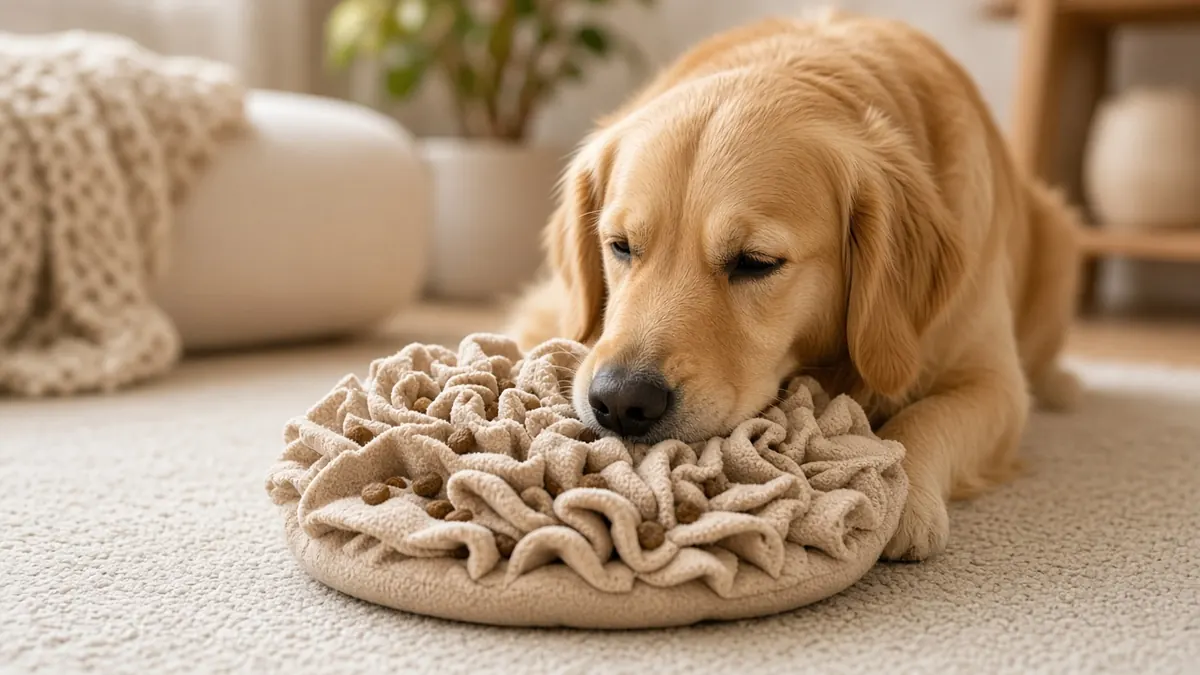
- Day enrichment: a stuffed Kong, sniff mat, or safe unsupervised chew — put it away when you are home so it stays special.
When the answer is “not that long — yet”
Puppies, newly adopted dogs, and dogs with a panic history need shorter sessions and a plan. Rescue dogs may have been never alone, always alone, or somewhere chaotic — give them weeks of short practice before a full shift.
Nonstop vocalizing, self-injury, destroyed exits, or house-soiling only when alone may be separation-related distress, not “bad manners.” Training alone will not always fix it; a certified trainer or veterinary behaviorist might.
Practical covers for real schedules
- Dog walker or drop-in midday
- Neighbor or roommate rotation
- Doggy daycare a few days a week
- Hybrid work / staggered hours with a partner
- Pet sitter for long days and travel
None of these mean you love your dog less. They mean you matched the day to the dog.
Optional helper (placeholder only)
If alone-time practice is the bottleneck, a simple puzzle toy or pet camera can help you coach without hovering. Soft link placeholder — max one module on this page.
Calm-at-home kit idea — [AFFILIATE:puzzle-toy-or-pet-camera]
Related reading on ATGD
- Training and Behavior hub
- Crate training without tears — Coming soon
- Separation anxiety — red flags and first steps — Coming soon
Bottom line
Young puppies: short and frequent. Adolescents: building toward a half day with support. Healthy adults: often a workday with a break is realistic; marathon empty houses are not a flex. Seniors: shorter again. Meet your dog where they are, practice the skill, and get help if panic shows up. You can have a job and a good dog — the goal is a plan that fits both.