
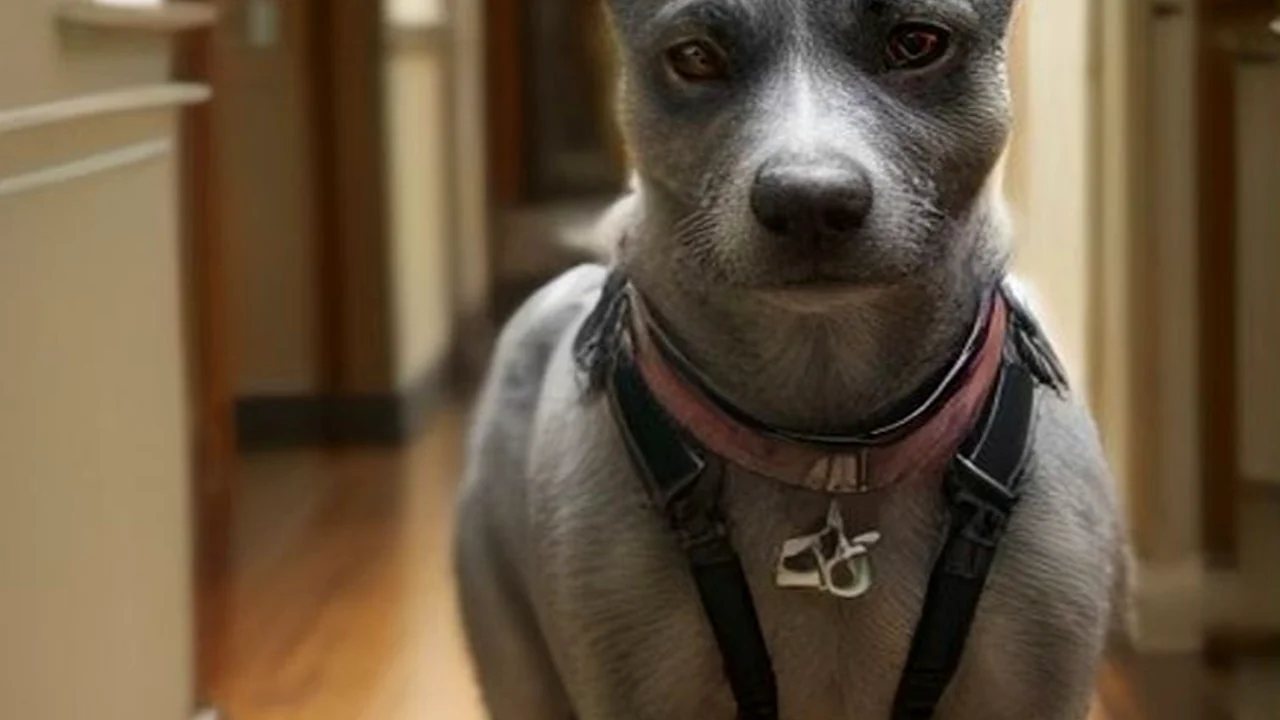
When mobility changes matter
Some stiffness after a nap is common in older dogs. Changes that deserve attention include slipping on hardwood, bunny-hopping stairs, needing a boost onto the couch they used to clear, sitting out of play they used to love, or yelping when you lift them into the car.
Track what you see for a week: which rooms are hardest, which times of day, and whether cold weather or long rests make it worse. Bring that note to your vet. Pain, orthopedic disease, neurologic issues, and weight all change how a dog moves — guessing which one you have delays care.
Floor traction (the cheapest win)
- Add non-slip rugs or runners on the paths your dog actually uses — bed to water bowl, crate to door, hallway to stairs.
- Tape or rug pads under throw rugs so they do not become skateboards.
- Wipe paws after wet walks; damp nails on slick floors are a classic fall setup.
- Consider nail length and paw hair with your groomer or vet — overgrown nails change gait and grip.
- Block off the most dangerous slick zone temporarily if your dog is having a rough week.
You do not need a full house remodel. Cover the commute your dog repeats every day.
Stairs, ramps, and car access
Jumping down from a bed, sofa, or SUV is hard on shoulders and hips. A ramp or low-rise pet steps can turn a leap into a walk — if the angle is gentle and the surface has grip.
- Match the height. A ramp that is too steep still asks for a scramble.
- Stability first. Wobbly gear teaches dogs to refuse it. Test before you trust it with a large dog.
- Teach the ramp on leash with treats so your dog learns the new path instead of bolting around it.
- Car ramps help when the bumper is high or your dog’s hind end is weak. Have a second person spot the first sessions.
- Indoor stairs: if your dog cannot manage a full flight safely, gate and assist — or move sleep and food to the main floor for now.
Optional: browse ramps and steps
Compare angles, weight ratings, and grip surfaces yourself. Soft Amazon Associates search (we may earn a commission):
- Dog ramp for car and stairs — Amazon search — research starting point for home and vehicle access
Support harnesses for outings and lifts
A rear-support or full-body mobility harness gives you a handle (or two) when your dog needs help on stairs, over a curb, or into the car. It is not a fashion vest and not a substitute for veterinary care.
- Fit snug enough that the lift points share weight without digging into armpits or genitals.
- Practice short assisted walks before a long outing day.
- Use the harness for help — not to drag a dog who cannot bear weight. Inability to stand is an urgent vet question.
- Keep sessions short on hot days; older dogs overheat faster when they are working harder to move.
Optional: browse support harnesses
Look for size charts by weight and rear- vs full-support designs. Soft Amazon Associates search (we may earn a commission):
- Dog support harness — Amazon search — for assisted stairs, car lifts, and short outings
Furniture height and rest spots
Lower the ask: a lower bed frame, a couch with a step, or a favorite pad on the floor can remove the daily jump. For sleep surfaces and joint-support foam choices, see our separate guide on best dog beds for joint support — this page stays focused on getting around the house safely.
Place water, food, and a comfortable rest spot on the floor your dog lives on most of the day so they are not forced up and down stairs for basics.
When to call the vet
- Sudden weakness, dragging paws, or collapsing
- Crying when rising, jumping, or being lifted
- One leg that will not bear weight
- Loss of bladder or bowel control with mobility change
- Mobility that worsens week to week despite rest and home mods
Bring a short phone video of the walk and the stairs if you can — it helps the exam more than a vague “they seem stiff.”
Get new guides and the free checklist in your inbox — subscribe on the homepage.
Related reading on ATGD
- Best dog beds for joint support — sleep surface fit and foam notes (not home access mods)
- Is dog insurance worth it? — planning for larger care costs
- More health and safety guides
Bottom line
Senior mobility at home is mostly about safer paths: traction underfoot, gentler ways up and down, and a harness when your dog needs a boost. Keep expectations honest — these tools support comfort and safety; they do not cure joint disease. When movement changes fast or looks painful, call your vet first, then adjust the house around the dog you have today.